
What is Vitamin D and Why Is It Important for Bone Health?
Vitamin D is a nutrient your body needs to keep bones strong. It helps your body absorb calcium, which builds and protects bones. Without enough Vitamin D, bones can become weak or soft. For example, children may develop rickets, while adults may face bone pain or fractures. Because Vitamin D is so important, many doctors recommend checking your levels, especially if you have bone problems.
Common Symptoms and Risks of Vitamin D Deficiency
Vitamin D deficiency means your body does not have enough Vitamin D. This can lead to several health issues. Often, people do not notice symptoms right away. However, over time, problems can appear. Some common signs include:
In addition, certain groups are at higher risk. For instance, older adults, people with darker skin, and those who spend little time in sunlight may have lower Vitamin D levels. Also, people with certain health conditions or who take specific medicines may be at risk.
Why and When Should You Get Vitamin D & Bone Health Testing?
Testing for Vitamin D & bone health can help catch problems early. If you have symptoms like bone pain or muscle weakness, testing is wise. Moreover, if you have risk factors, your doctor may suggest a test. For example, you may need testing if you:
Early testing can help you avoid serious bone problems. Therefore, talk to your doctor if you are unsure about your risk.
How Is Vitamin D & Bone Health Testing Performed?
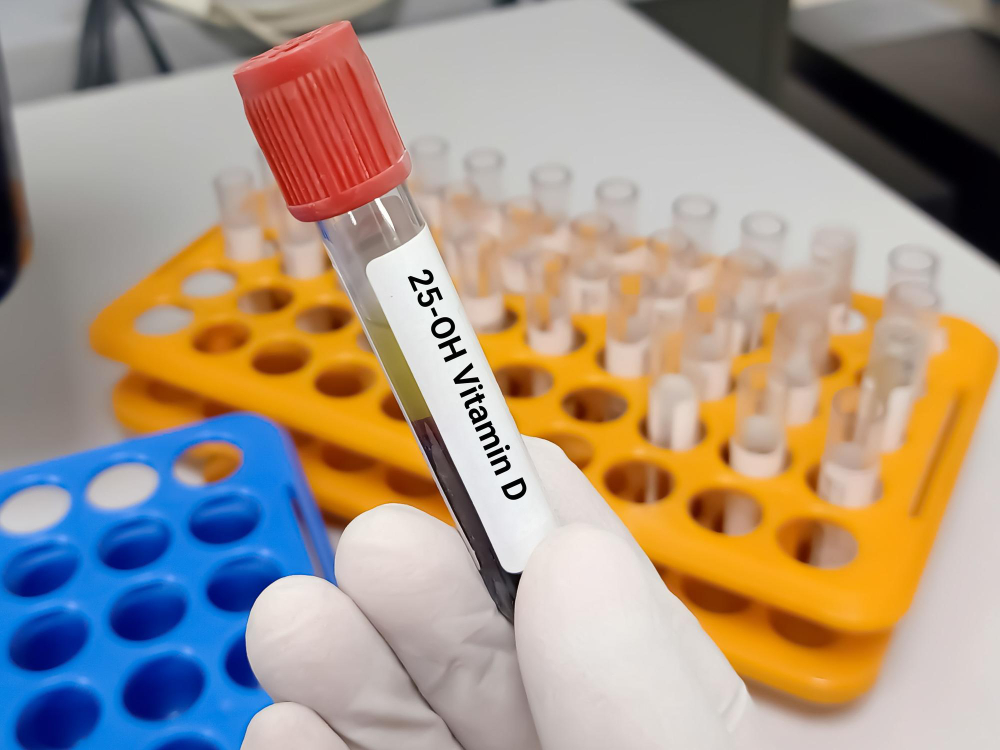
Vitamin D & bone health testing is simple and safe. Usually, a blood test called the 25-hydroxy Vitamin D test checks your Vitamin D level. This test shows if you have enough Vitamin D in your body. In addition, doctors may order a bone health test, such as a bone density scan (DEXA scan). This scan measures how strong your bones are.
Here’s what the results may mean:
After testing, your doctor will explain what your results mean and what steps to take next.
Treatment Options and Lifestyle Guidance if Deficiency Is Found
If you have low Vitamin D, treatment is usually simple. Your doctor may suggest:
Sometimes, you may need higher doses of Vitamin D for a short time. However, always follow your doctor’s advice. Too much Vitamin D can also cause problems.
Prevention Tips for Maintaining Healthy Vitamin D Levels and Strong Bones
Keeping your bones healthy is easier with a few simple steps. For example, you can:
By following these tips, you can help prevent bone problems and stay healthy.
Frequently Asked Questions (FAQs)
In summary, Vitamin D & bone health testing helps keep your bones strong and healthy. If you have concerns, consult at Olivian Diagnostics Pvt Ltd for personalized advice on Vitamin D & bone health testing.