
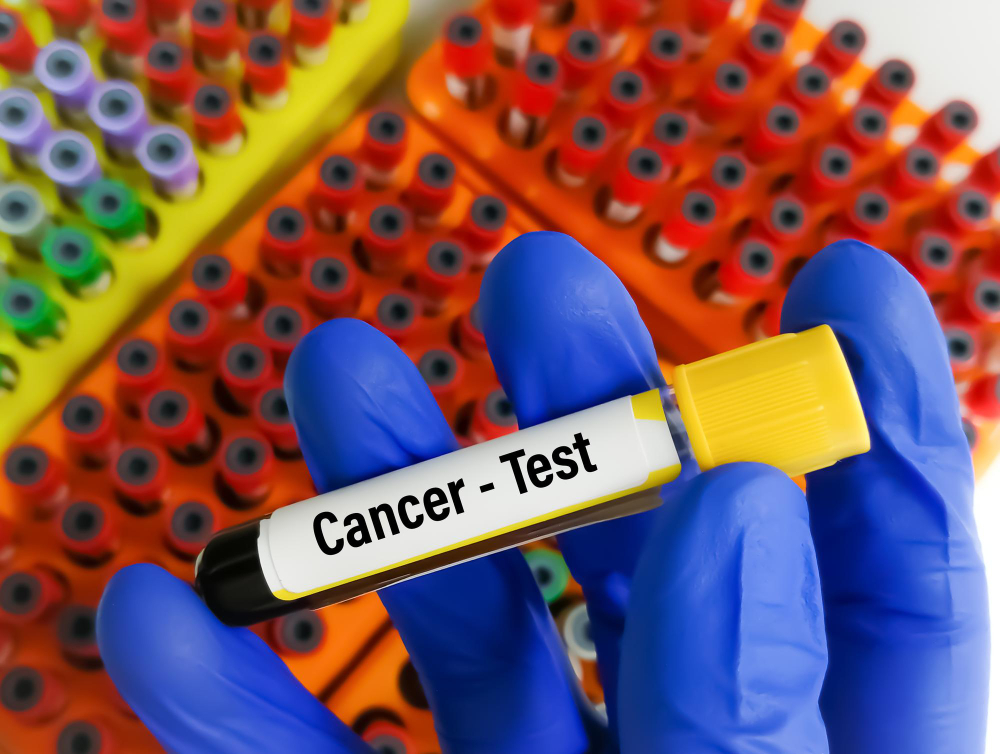
Introduction: What Are Cancer Screening Tests?
Cancer screening tests help find cancer early, sometimes before symptoms appear. Early detection can make treatment easier and more effective. Because cancer can grow quietly, these tests are important for staying healthy. Many people ask, “Who should get cancer screening?” The answer depends on your age, family history, and risk factors. However, knowing about the best cancer screening tests can help you make informed choices. According to the CDC and WHO, regular screening saves lives.
Common Cancer Screening Tests
Several cancer screening tests are recommended for adults. Each test looks for a specific type of cancer. Here are the most common ones:
Always discuss with your doctor which tests are right for you. Guidelines may change based on your health and family history.
Symptoms and Early Detection
Although screening tests are vital, knowing the warning signs of cancer is also important. Early cancer detection can save lives. Watch for these symptoms:
However, many cancers do not cause symptoms at first. That is why regular screening matters, even if you feel fine.
How Screening Works
Cancer screening tests are usually simple and safe. For example, a mammogram uses X-rays to look at breast tissue. A colonoscopy uses a thin tube with a camera to check the colon. Pap smears collect cells from the cervix for testing. PSA tests require a blood sample. Low-dose CT scans use special X-rays to look at the lungs. Most tests are done in clinics or hospitals. Your doctor will explain what to expect and how to prepare.
Benefits and Risks of Cancer Screening
Screening has many benefits. For instance, it can find cancer early, when it is easier to treat. It can also lower the risk of dying from cancer. However, there are some risks. Sometimes, tests find things that are not cancer, which can cause worry. Rarely, tests may miss cancer or lead to unnecessary treatments. Even so, the benefits of early cancer detection often outweigh the risks. Always talk with your doctor about the pros and cons.
Lifestyle and Prevention Tips
While screening is important, healthy habits can also lower your cancer risk. Here are some tips:
In addition, regular check-ups help catch problems early. Prevention and screening work best together.
Access and Resources: Where to Get Screened
Many clinics, hospitals, and community centers offer cancer screening tests. Your primary care doctor can guide you to the right place. Some health insurance plans cover these tests at no extra cost. For those without insurance, local health departments or nonprofit groups may offer free or low-cost screening. The CDC and WHO websites provide more information and resources. Do not wait—early cancer detection can save your life.
Consult a healthcare professional at Olivian Diagnostics Pvt Ltd to learn which cancer screening tests are right for you.