
Introduction
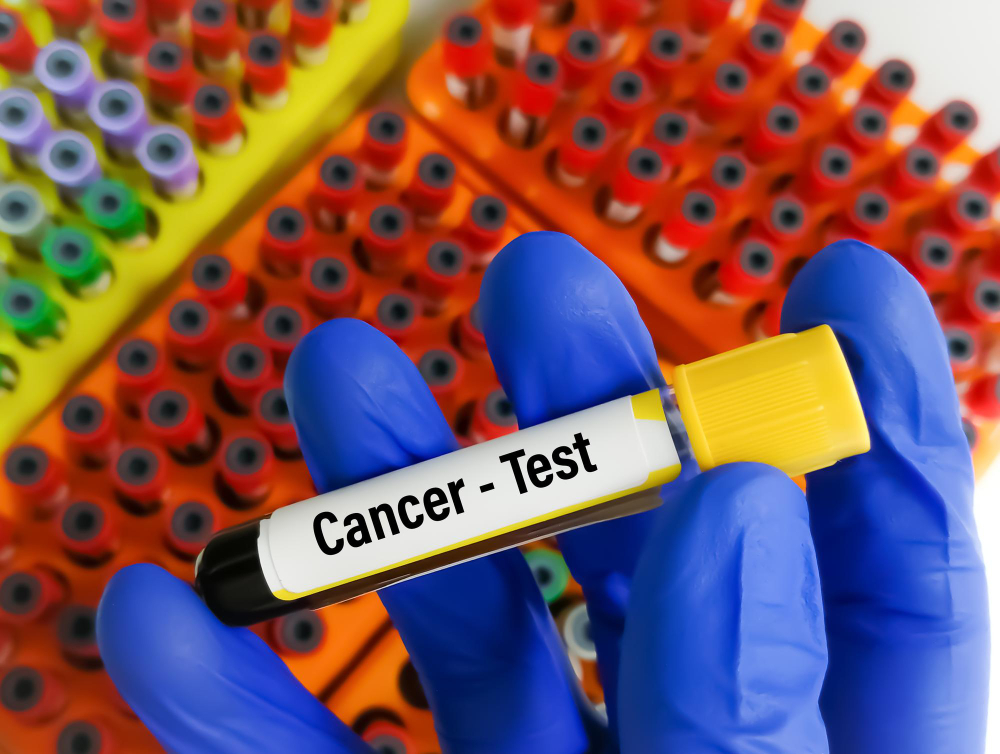
Cancer screening tests everyone should know can help find cancer early. Early cancer detection often leads to better treatment and outcomes. Because many cancers show no signs at first, screening is important for staying healthy. In fact, knowing which tests to get and when can save lives. This guide explains the best cancer screening tests, who should get screened for cancer, and how to prepare. Understanding these tests helps you make informed choices about your health.
What Are Cancer Screening Tests?
Cancer screening tests look for cancer before symptoms appear. These tests check for signs of cancer in healthy people. For example, some tests find changes in cells or blood that may lead to cancer. Not all cancers have screening tests, but many common ones do. Screening helps doctors find cancer early, when it is easier to treat. Because early detection is key, these tests are important for everyone.
Why Is Cancer Screening Important?
Screening can catch cancer before you feel sick. When found early, cancer is often smaller and easier to treat. As a result, survival rates improve. Also, some screening tests can find changes before cancer starts. For example, removing polyps during a colonoscopy can prevent colon cancer. Regular screening gives you peace of mind and helps protect your health. According to the CDC and WHO, early cancer detection saves lives and lowers treatment costs.
Common Cancer Screening Tests Everyone Should Know
In addition, some people may need other tests based on their family history or risk factors. Always talk to your doctor about which tests are right for you.
How to Prepare for Cancer Screening Tests
Before your test, your doctor will give you instructions. For some tests, you may need to avoid food or drink. For example, before a colonoscopy, you must follow a special diet and take medicine to clean your colon. On the other hand, most blood tests need little preparation. Always follow your doctor’s advice to get the best results. If you have questions, ask your healthcare team before your appointment.
Understanding Your Results
After your screening, your doctor will explain the results. Most results are normal, but sometimes more tests are needed. If your test finds something unusual, it does not always mean you have cancer. Often, further tests help your doctor learn more. Stay calm and ask questions if you do not understand your results. Your healthcare provider will guide you on the next steps.
Tips for Staying Proactive About Your Health
Because your health matters, staying informed and proactive is key. Early cancer detection gives you the best chance for a healthy future.
Consult at Olivian Diagnostics Pvt Ltd to learn which cancer screening tests are right for you.