
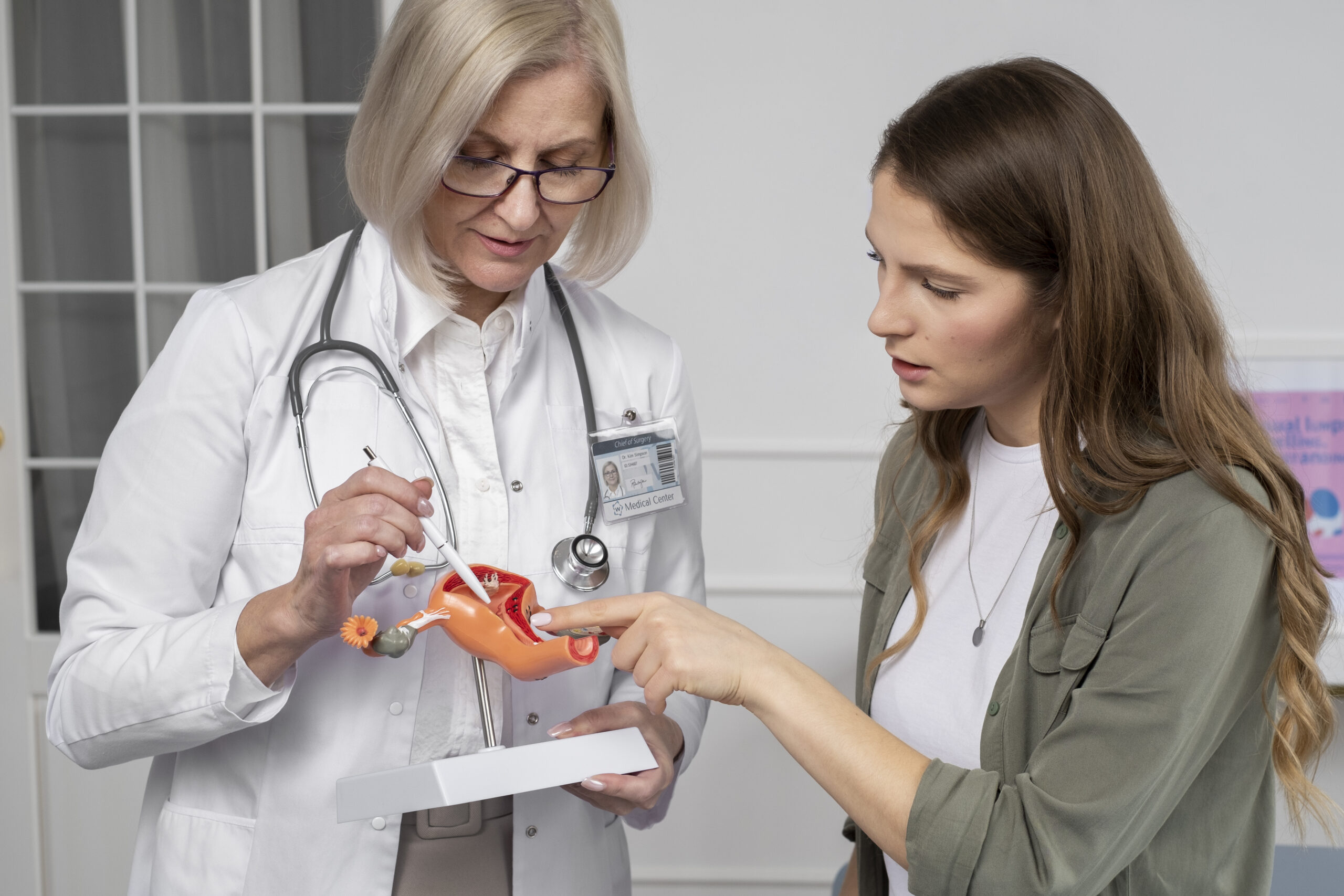
What is Cervical Cancer Screening?
Cervical cancer screening is a simple way to check for early signs of cervical cancer. This process helps find changes in the cells of the cervix before they turn into cancer. The cervix is the lower part of the uterus that connects to the vagina. Early detection of cervical cancer can save lives. Because of this, regular screening is important for women’s health.
Why is Cervical Cancer Screening Important?
Screening helps find problems before symptoms appear. For example, it can detect abnormal cells that may become cancer. If these cells are found early, treatment is easier and more effective. In fact, regular cervical cancer screening has greatly reduced deaths from this disease. According to the World Health Organization (WHO), early detection is key to cervical cancer prevention. Therefore, getting screened on time can protect your health.
Common Screening Methods
There are two main tests used for cervical cancer screening. Each test checks for different signs of risk:
Sometimes, both tests are done together. This is called co-testing. Your doctor will suggest the best option for you.
Current Guidelines for Screening
Screening guidelines can vary by country and health organization. However, most experts, including the Centers for Disease Control and Prevention (CDC), recommend:
However, some women may need different schedules. For example, those with a history of cervical cancer or a weakened immune system may need more frequent tests. Always follow your doctor’s advice.
How to Prepare for a Screening Test
Preparing for a cervical cancer screening is simple. Still, a few steps can help you get the best results:
Above all, let your doctor know if you have any concerns or questions before the test.
Frequently Asked Questions
Prevention and Lifestyle Tips
Besides regular screening, you can lower your risk of cervical cancer by making healthy choices. For instance:
These steps, along with early detection of cervical cancer, can help keep you healthy.
When to Consult a Doctor
If you have questions about cervical cancer screening, talk to your healthcare provider. You should also see a doctor if you notice:
Even if you feel fine, regular screening is important. Early action can make a big difference.
For personalized cervical cancer screening advice, consult Olivian Diagnostics Pvt Ltd. Early detection saves lives.