
Introduction
Strong bones help you move, stand, and protect your organs. Many people think only calcium matters for bone health. However, bone health markers show us there is much more to consider. These markers help doctors check bone strength and spot problems early. Understanding bone health markers can help you keep your bones healthy for life.
What Are Bone Health Markers?
Bone health markers are special substances found in your blood or urine. They show how your bones are building up or breaking down. For example, some markers rise when bones lose strength. Others increase when bones are growing or healing. Doctors use these markers to check bone strength and spot bone diseases early. Because of this, bone health markers are important for everyone, not just older adults.
Beyond Calcium: Other Essential Bone Health Markers
Calcium is vital for bones, but it is not the only thing your bones need. Several other bone health markers play key roles. Let’s look at some important ones:
Because each marker tells a different story, doctors often check several at once. This gives a full picture of your bone health.
Causes of Imbalanced Bone Markers
Many things can change your bone health markers. For instance, age is a big factor. As you get older, bone breakdown can speed up. Hormone changes, such as menopause, also affect bone strength. Poor diet, lack of exercise, and certain medicines can shift your marker levels. Infections, kidney disease, or thyroid problems may also play a role. Therefore, keeping a healthy lifestyle is key to balanced bone markers.
Diagnosis: How Are Bone Health Markers Measured?
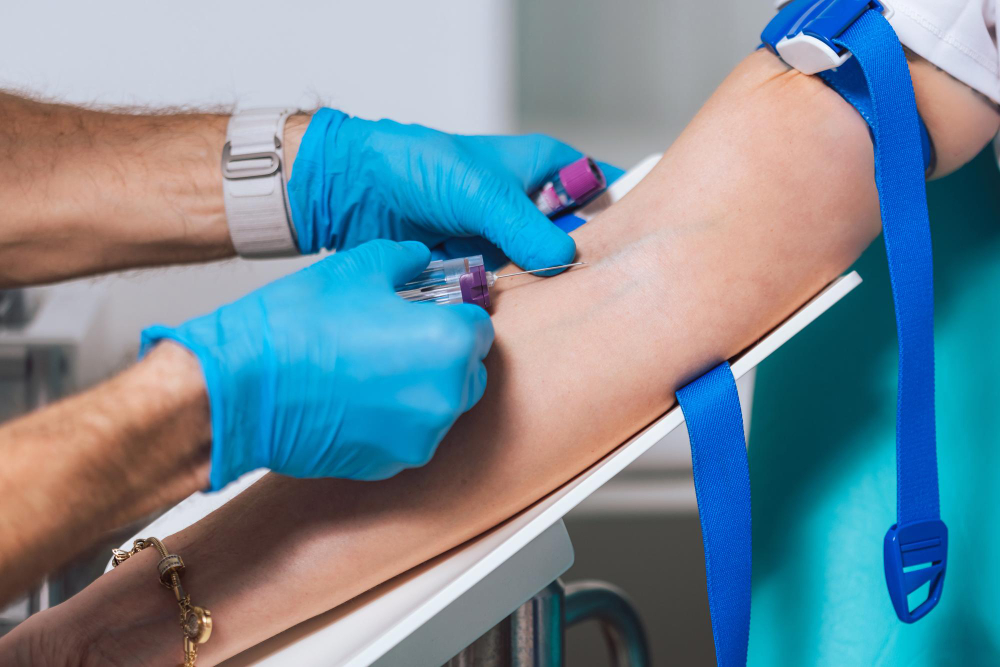
Doctors use blood and urine tests to measure bone health markers. These tests are simple and safe. Sometimes, doctors order bone strength tests, like a bone density scan, along with marker tests. After the tests, your doctor will explain what the results mean. If any marker is too high or too low, it may signal a bone problem. However, one test is not enough. Doctors often repeat tests to track changes over time.
Treatment & Lifestyle Guidance
Balanced bone health markers help keep your bones strong. Here are some tips to improve bone markers and bone strength:
Because everyone is different, always talk to your doctor before making big changes.
Prevention: Practical Tips to Keep Bones Healthy
Preventing bone problems is easier than treating them. Here are some simple steps:
With these habits, you can help protect your bones for years to come.
When to See a Doctor
Sometimes, bone problems show no clear signs, but you should see a doctor if you notice:
Early checks and bone health markers can catch problems before they worsen. Therefore, don’t wait if you have concerns.
Consult Olivian Diagnostics for personalized bone health advice.