
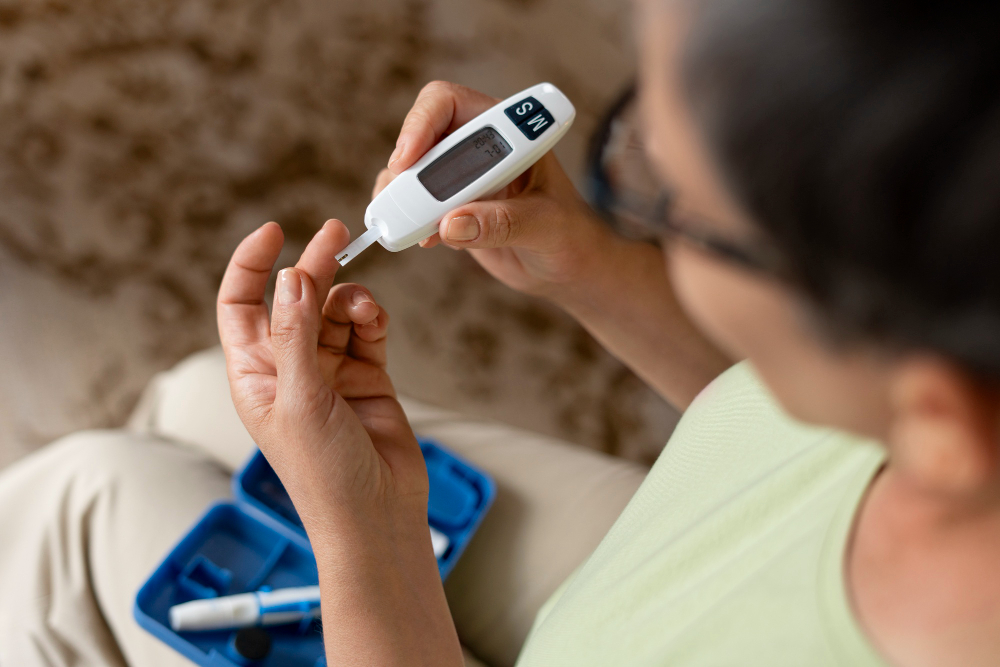
Type 2 diabetes is a common health problem that affects millions of people worldwide. This condition happens when your body cannot use insulin well, which leads to high blood sugar. Early detection is important because it helps prevent serious health issues. In this blog, you will learn about type 2 diabetes symptoms, causes, how it is diagnosed, and treatment options. Understanding these basics can help you or your loved ones manage the condition better.
Symptoms of Type 2 Diabetes
Many people with type 2 diabetes do not notice symptoms at first. However, some signs can appear slowly over time. Knowing the symptoms can help you seek help early. According to the CDC, common type 2 diabetes symptoms include:
Sometimes, people may not notice any symptoms. For this reason, regular check-ups are important, especially if you have risk factors.
Causes of Type 2 Diabetes
Type 2 diabetes develops when your body cannot use insulin well. Insulin is a hormone that helps sugar enter your cells for energy. When your body resists insulin, sugar builds up in your blood. Over time, this can cause health problems. The main type 2 diabetes causes include:
Additionally, some women who had diabetes during pregnancy (gestational diabetes) are at higher risk. Making healthy lifestyle choices can lower your risk.
Diagnosis of Type 2 Diabetes
Doctors use simple blood tests to check for type 2 diabetes. If you wonder, “How is type 2 diabetes diagnosed?” here are the main tests:
If your results are higher than normal, your doctor may repeat the tests to confirm the diagnosis. Early diagnosis helps prevent complications like heart disease, nerve damage, and kidney problems.
Treatment Options for Type 2 Diabetes
Treatment options for type 2 diabetes focus on keeping blood sugar in a healthy range. With the right plan, many people manage their diabetes well. Here are common ways to treat type 2 diabetes:
Sometimes, your doctor may suggest other steps based on your needs. For example, you may need to check your blood sugar at home. The World Health Organization and CDC recommend following your treatment plan closely to avoid complications.
In summary, type 2 diabetes is a serious but manageable condition. Early detection, healthy habits, and regular care make a big difference. Consult a healthcare specialist at Olivian Diagnostics Pvt Ltd for personalized advice on managing type 2 diabetes.