
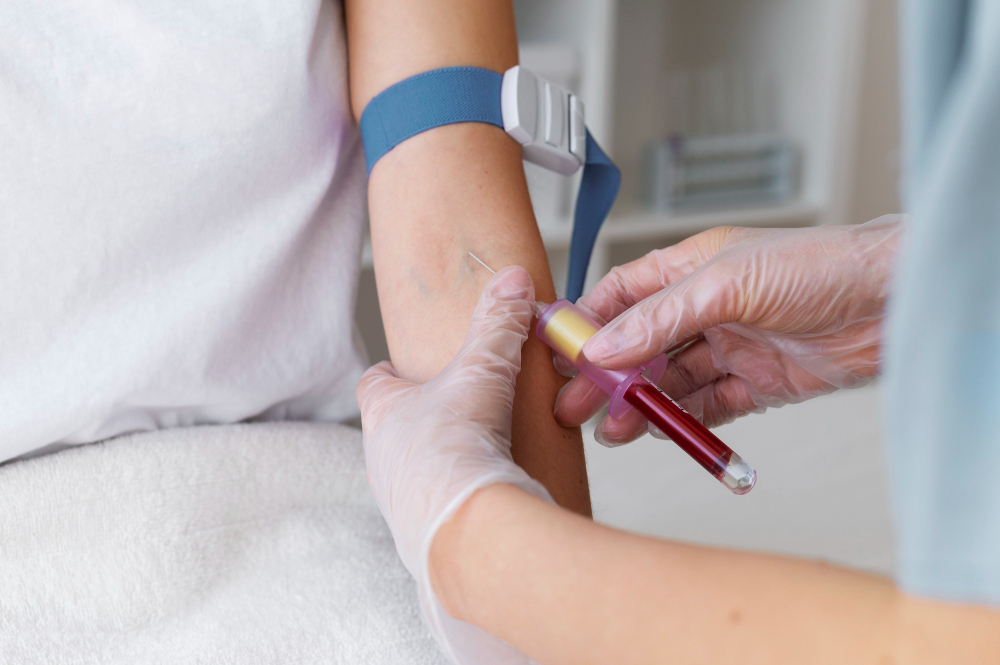
Introduction: Why Health Check Up for Elderly Matters
A health check-up for elderly is a regular visit to the doctor to check for common health problems. As people age, their bodies change. Because of this, seniors may face new health risks. Regular senior health screening helps find problems early. Early care can prevent serious illness. According to the World Health Organization (WHO), routine tests for elderly people can improve quality of life. In fact, many health issues can be managed better if found early.
Common Health Concerns in the Elderly
As people grow older, they may face more health risks. For example, seniors often have:
However, many of these problems can be managed. Regular health check-up for elderly people helps spot these issues early. This way, treatment can start sooner.
Essential Health Check Ups: Key Tests and Screenings for Seniors
Doctors recommend several routine tests for elderly people. These tests help track health and find problems early. Some important senior health screenings include:
Because every person is different, doctors may suggest other tests based on health history.
How Often to Get Checked: General Guidelines
How often should seniors get a health check-up? The answer depends on age, health, and family history. However, most experts suggest:
Still, some people may need more frequent visits. Always ask your doctor what is best for you.
Preparing for a Health Check Up: Tips for Seniors and Caregivers
Getting ready for a health check-up for elderly family members can make the visit easier. Here are some helpful tips:
Because preparation helps, seniors and caregivers can make the most of each visit.
Preventive Care and Healthy Lifestyle Tips
Between check-ups, seniors can take steps to stay healthy. For example, preventive care for seniors includes:
Because small changes add up, these habits can help seniors feel better and stay independent.
When to Consult a Specialist: Warning Signs to Watch For
Sometimes, seniors need to see a specialist right away. Watch for these warning signs:
If any of these happen, seek medical help quickly. Early action can save lives.
Conclusion: Take Charge of Senior Health
Regular health check-ups for elderly people are key to a long, healthy life. Because early care makes a big difference, do not wait for symptoms. Instead, schedule routine tests for elderly family members. For the best advice, consult a healthcare specialist at Olivian Diagnostics Pvt Ltd for personalized health check-up advice for elderly family members.