
What Is Cardiac Profile Testing?
Cardiac profile testing is a group of blood tests that check your heart health. Doctors use these tests to look for signs of heart disease or risk factors. Often, this test is called a heart health screening or cardiac risk assessment. It helps find problems early, even before symptoms appear. Because heart disease is a leading cause of illness, early testing can save lives.
Why Is Cardiac Profile Testing Important?
Many heart problems develop slowly and may not show clear signs at first. However, with cardiac profile testing, doctors can spot risks early. This means you can take steps to protect your heart. For example, high cholesterol or blood sugar can damage your heart over time. Early detection allows for better treatment and lifestyle changes. According to the CDC, regular heart health screening lowers the risk of heart attacks and strokes.
Key Components of a Cardiac Profile Test
Cardiac profile testing usually includes several blood tests. Each test checks for different heart risk factors. Common components are:
Sometimes, doctors may add other blood tests for heart disease, depending on your health.
How Is Cardiac Profile Testing Performed?
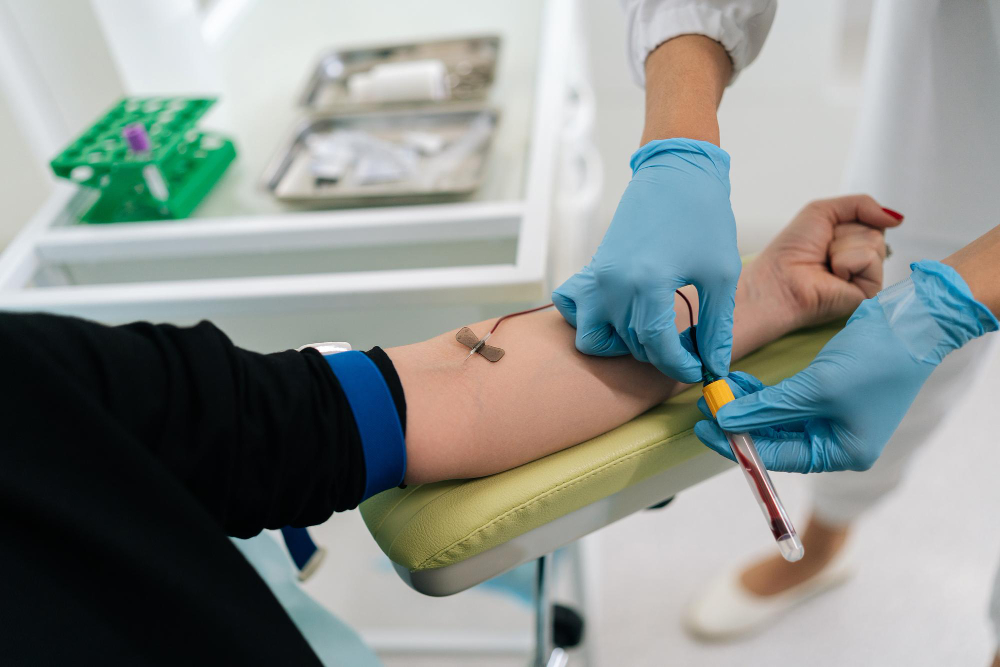
Cardiac profile testing is simple and safe. Usually, a nurse draws a small blood sample from your arm. You may need to fast for 8–12 hours before the test. This means no food or drinks except water. Fasting helps give accurate results, especially for cholesterol and blood sugar. After the blood draw, you can return to normal activities. Results are often ready in a few days. Your doctor will explain what the numbers mean.
Who Should Consider Cardiac Profile Testing?
Many people can benefit from a cardiac profile test. You should consider testing if you:
Even if you feel healthy, regular heart health screening can catch problems early. In some cases, your doctor may suggest cardiac profile testing in your city or region based on local health risks.
Understanding Your Results
After your test, your doctor will review the results with you. Each part of the test has a healthy range. If your numbers are outside these ranges, it may mean higher heart risk. For example, high LDL cholesterol or high blood sugar can raise your risk of heart disease. However, one abnormal result does not always mean you have heart disease. Your doctor will look at your overall health, family history, and lifestyle. Based on this, they may suggest more tests or treatment.
Prevention and Lifestyle Guidance
Even if your cardiac profile test shows some risks, you can take steps to protect your heart. Simple changes can make a big difference. For better heart health:
According to the World Health Organization, these steps lower your risk of heart disease and improve overall health.
Frequently Asked Questions
In summary, cardiac profile testing is a simple way to check your heart health. Early testing helps prevent serious problems. If you have questions about your heart or risk factors, consult your healthcare specialist at Olivian Diagnostics Pvt Ltd for personalized advice.