
Introduction
Inflammation tests are simple blood tests that help doctors check for signs of swelling or irritation in the body. In modern healthcare, these tests matter because they can spot hidden problems early. For example, inflammation can be a sign of infection, injury, or even chronic diseases. Because early detection is key, inflammation tests play a big role in keeping people healthy.
What Are Inflammation Tests?
Inflammation tests measure certain markers in your blood. These markers rise when your body is fighting something, like an infection or injury. For instance, doctors often look for proteins such as C-reactive protein (CRP) or erythrocyte sedimentation rate (ESR). These tests are quick and usually only need a small blood sample.
Why Are Inflammation Tests Important?
Inflammation is your body’s way of protecting itself. However, too much or long-lasting inflammation can cause harm. Because of this, inflammation tests help doctors find out if your body is under stress. In addition, these tests can guide treatment and track how well you are healing. For many people, this means better care and faster recovery.
Common Types of Inflammation Tests
How Inflammation Tests Help Diagnose Diseases
Doctors use inflammation tests to find out what is causing your symptoms. For example, high levels of inflammation markers can point to infections, autoimmune diseases, or even heart problems. Because these tests are simple, they are often the first step in finding the cause of pain, fever, or swelling. Sometimes, doctors use them to check for hidden problems before they become serious.
Benefits of Early Detection Through Inflammation Testing
Early detection is important for good health. When inflammation is found early, doctors can treat the cause before it gets worse. As a result, you may avoid long-term damage or serious illness. In addition, early treatment often means less pain and a quicker return to normal life. For people with chronic conditions, regular inflammation tests help manage their health better.
What to Expect During an Inflammation Test
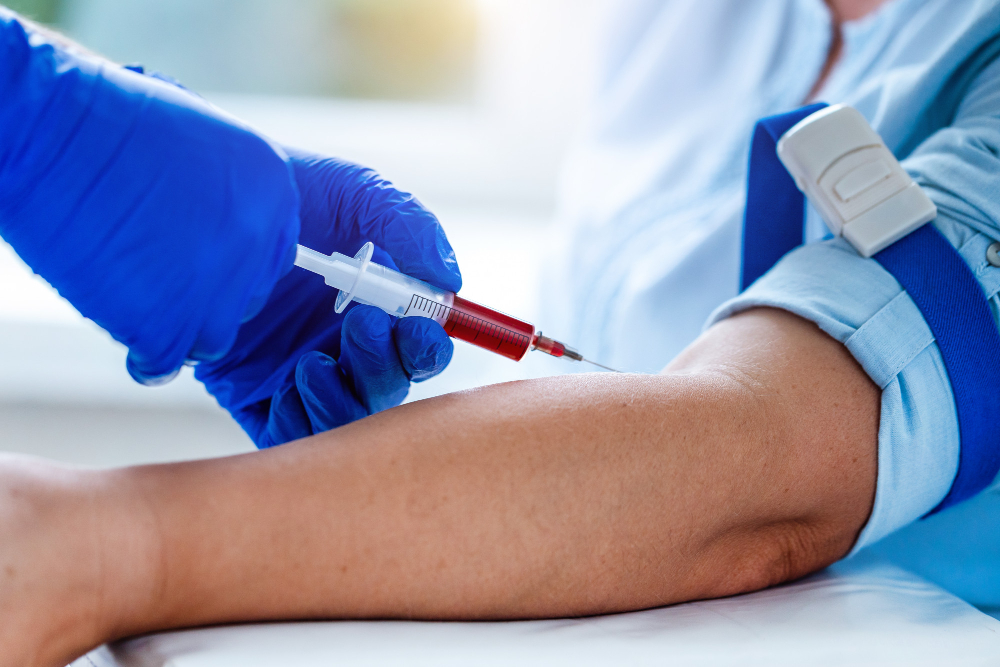
Getting an inflammation test is simple. First, a healthcare worker will clean your skin. Then, they will take a small blood sample from your arm. The process usually takes just a few minutes. Afterward, you can go back to your normal activities. Most people feel only a quick pinch during the test.
Interpreting Results and Next Steps
Once your results are ready, your doctor will explain what they mean. If your inflammation markers are high, you may need more tests to find the cause. Sometimes, high results are due to a minor infection. Other times, they may signal a more serious problem. Either way, your doctor will guide you on the next steps. For example, you may need medicine, lifestyle changes, or more follow-up tests.
Prevention and Lifestyle Guidance
While you cannot always prevent inflammation, healthy habits can help. For instance, eating a balanced diet, staying active, and getting enough sleep all lower your risk. In addition, avoiding smoking and managing stress are important. If you have a chronic condition, regular check-ups and inflammation tests can help you stay on track. Remember, small changes can make a big difference in your health.
Conclusion
Inflammation tests are a key part of modern healthcare. They help doctors find problems early and guide the best treatment. If you have symptoms or a chronic illness, talk to your doctor about inflammation testing. To understand if inflammation testing is suitable for you, consult Olivian Diagnostics Pvt Ltd for expert evaluation and personalized healthcare guidance.