
Introduction to Kidney Health and Creatinine
Your kidneys play a key role in keeping your body healthy. They filter waste and extra water from your blood. One important waste product is called creatinine. Creatinine comes from the normal breakdown of muscles. Because your kidneys remove creatinine, its level in your blood can show how well your kidneys work. Therefore, checking creatinine levels helps doctors spot kidney problems early.
Normal Creatinine Levels
Doctors use creatinine levels to check kidney health. Normal creatinine range depends on age, sex, and muscle mass. For most adults, normal blood creatinine is:
However, children and older adults may have lower levels. Muscle mass, diet, and some medicines can also affect results. For example, people with more muscle may have higher creatinine. On the other hand, a low-protein diet can lower it. Always talk to your doctor about your personal range.
Causes of Abnormal Creatinine Levels
Sometimes, creatinine levels can be too high or too low. Each situation has different causes.
Because many things can affect creatinine, your doctor will look at other tests too.
How Creatinine Is Tested
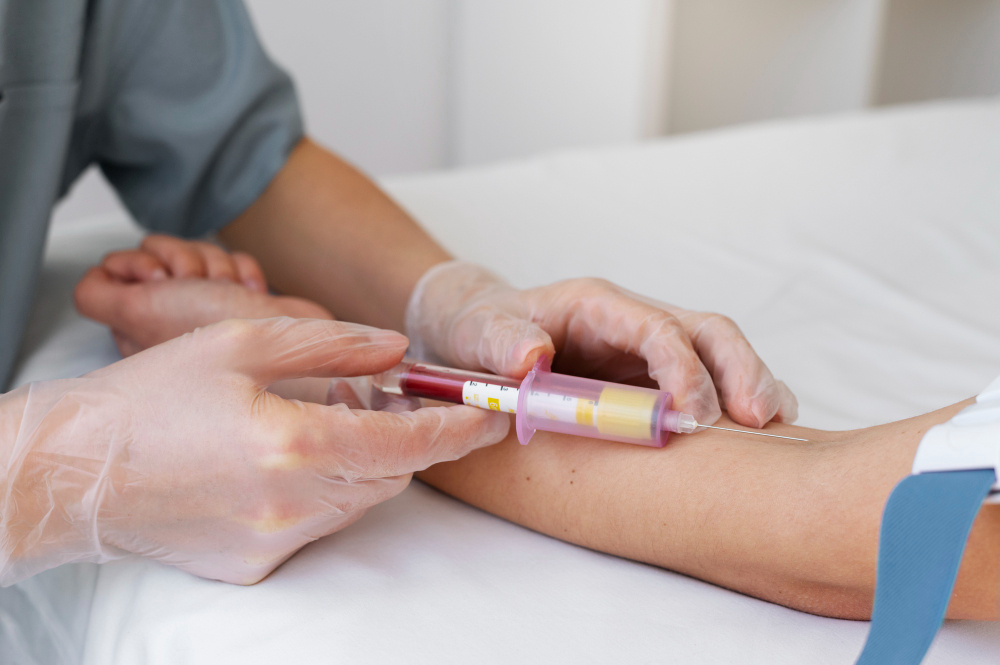
Doctors check creatinine levels with a simple blood test. Sometimes, they may also ask for a urine test. This helps them see how much creatinine your body removes in 24 hours. The tests are quick and safe. You may need to avoid eating meat or taking certain medicines before the test. Your doctor will give you clear instructions.
What Your Results Mean
After your test, your doctor will explain your creatinine levels. If your level is high, it may mean your kidneys are not filtering well. However, one high result does not always mean kidney disease. Sometimes, dehydration or exercise can cause a temporary rise. If your level is low, it may be due to low muscle mass or other reasons. Your doctor may order more tests to find the cause. If you notice swelling, tiredness, or changes in urine, seek help right away.
Lifestyle Tips for Healthy Kidneys
Keeping your kidneys healthy is important. Here are some kidney health tips:
For those asking how to lower creatinine naturally, these steps can help. However, always check with your doctor before making big changes.
Prevention and Monitoring
Regular check-ups help catch kidney problems early. If you have diabetes, high blood pressure, or a family history of kidney disease, test your creatinine levels often. Early action can prevent serious issues. Also, tell your doctor about any new symptoms or medicines. Prevention is always better than cure.
In summary, understanding your creatinine levels is key for kidney health.
Consult Olivian Diagnostics for personalized advice on your kidney health and creatinine levels.